When a packaging team starts looking for PP strapping or PET strapping, the first question is rarely just “which material is stronger?” The better question is what the load needs during packing, storage and movement. The goods, pallet pattern, application method and handling conditions all shape the right choice.
PP and PET are both established plastic strapping options. They are used in different packaging situations, and they can lead to different equipment and handling decisions. A useful comparison starts with the load rather than the product name.
What is PP strapping?
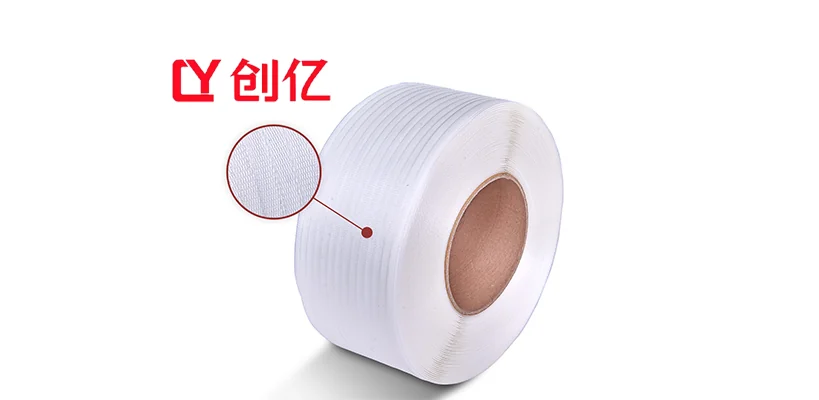
PP strapping means polypropylene strapping. It is commonly considered for light and medium-sized cargo, cartons and pallet fixing. It can be a practical fit when the packing team needs a flexible plastic strap for everyday bundling and shipment preparation.
The application method matters. Some teams apply PP strapping by hand. Others use semi-automatic or automatic equipment. The same material category can therefore appear in different packaging workflows, with different requirements for width, thickness, roll format and machine compatibility.
PP strapping is often discussed when the buyer wants a balance between material cost, handling convenience and general carton or pallet support. The final choice still depends on the goods and the way the load is handled after packing.
What is PET strapping?
PET strapping is a polyester-based plastic strapping option. It is often considered when the packaging conversation involves heavier goods, more demanding load stability or a replacement for another type of strap. PET does not automatically make every load safer. It needs to be matched to the goods, the pallet pattern and the equipment used to tension and seal the strap.
Buyers comparing PET strapping and PP strapping should ask how much movement the load will experience. A pallet that stays stable inside a controlled warehouse has a different requirement from a pallet that will be moved through several handling points. That context is more useful than choosing a material from a generic strength claim.
PP strapping or PET strapping for pallet fixing?
Start with four questions.
- What is the packed product?
- How heavy and stable is the assembled load?
- Is the strap applied manually, semi-automatically or automatically?
- What does the pallet look like after wrapping and strapping?
PP strapping can be a sensible starting point for cartons, grouped products and light to medium pallet loads. PET strapping may be more suitable when the buyer is reviewing a heavier-duty plastic strapping route. That is a direction for evaluation, not a universal rule.
The best buying brief includes a photo of the packed goods. A photo often shows loose layers, exposed corners, uneven pallet edges or a need for additional protection. It also helps the supplier understand whether strapping should be paired with stretch film or paper edge protectors.
How equipment changes the decision
Equipment compatibility should be confirmed before ordering. A manual workflow, a semi-automatic machine and an automatic packing line can require different product formats. The team should record the current tool or machine, the strap width it accepts and the way the strap is sealed.
If the line is already running, include the equipment model and the current strap format in the inquiry. If the workflow is manual, describe the tensioning and sealing steps. A supplier can then discuss the product with the process in mind.
For related handling equipment, see the strapping tools page. For material selection across a wider packaging setup, compare the PP strapping page and PET strapping page.
What should buyers confirm before requesting a quote?
The minimum useful brief includes the following.
- Product type and packed goods
- Strap material preference, if already known
- Width and thickness, if already specified
- Roll or coil format
- Manual, semi-automatic or automatic application
- Color or printed information requirement
- Expected quantity or purchasing frequency
- Destination market and packaging environment
MOQ, lead time, test requirements and quotation terms should be confirmed with the supplier. They should not be assumed from a general product description.
Common mistakes in material comparison
The first mistake is choosing by material name alone. PP and PET are categories, not complete specifications. The second is copying a strap size from another pallet without checking the product, pallet pattern and equipment. The third is treating a strength number as a universal guarantee. A test result belongs to a defined sample and test condition. It does not automatically describe every production batch or every application.
Another common mistake is ignoring edge protection. If the strap contacts a fragile or exposed edge, paper corner protectors may be part of the solution. Visit the paper edge protector page when the load needs additional protection around corners.
A practical way to make the decision
Create a short side-by-side brief. Write down the goods, pallet pattern, movement route, equipment, current strap and the problem the team wants to solve. Then ask for a product recommendation based on that brief.
For a packaging supplier, this is also the fastest way to give a useful response. It avoids a vague request for “the strongest strap” and creates a clear path to discuss product fit, samples and quotation details.
Weide Packaging supplies PP strapping, PET strapping and related packaging materials. The company also covers stretch film, tools and paper corner protectors. Send the details through the Request a Quote page so the material conversation can start with the actual load.
A note on color, printing and presentation
Color and printed information can be useful for product identification, internal handling or customer-facing packaging. They should be discussed as part of the requirement rather than assumed from a stock image. If the strap needs a logo or text, include the artwork or a clear description in the inquiry. The team can then confirm what is available for the selected material and format.
The same applies to packaging and delivery format. A buyer may need different roll or coil arrangements for a manual station, a semi-automatic machine or an automatic line. Include the equipment context early. It saves a round of follow-up questions and keeps the quote focused on a product that can actually be used in the workflow.
Keep material trials comparable
If you are comparing PP and PET on the same product, write down the whole packaging arrangement. Record the pallet pattern, strap positions, joining method and the condition of the carton edges. Keep these details with the sample reference so purchasing staff can identify what was actually evaluated.
Consider a hypothetical packing station that ships both small cartons and palletized goods. A satisfactory result on a carton does not settle the pallet requirement. Treat them as separate applications and ask the supplier which format to evaluate for each. This gives the trial a clear purpose and makes later quotations easier to compare.