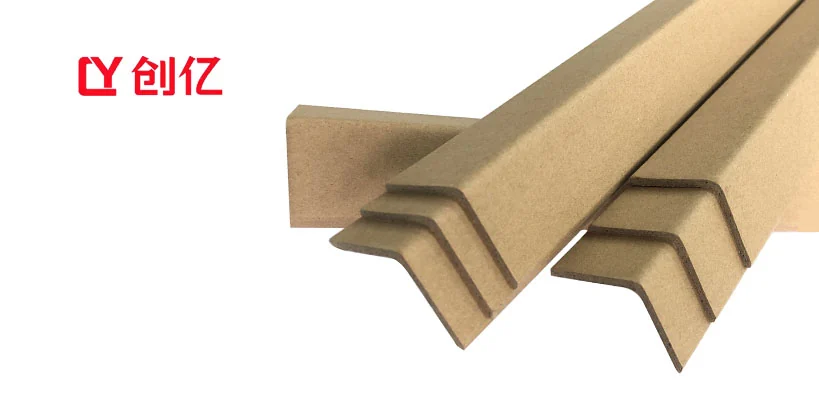
Paper edge protectors are used to help protect product edges and support a more stable pallet package. They are often considered alongside stretch film and strapping, especially when the load has exposed corners, stacked cartons or pressure points that can be damaged during handling.
They are not a replacement for a suitable pallet pattern or a correctly selected strap. Edge protection works as part of the packaging system. The right size, position and application depend on the goods and the way the pallet is secured.
What are paper edge protectors?
Paper edge protectors, also called cardboard corner protectors or paper corner protectors, are formed pieces placed along product edges or pallet corners. They create a protective interface between the product and the strap or wrapping material.
The purpose is practical. A protector can help spread pressure across an edge, reduce direct contact between a strap and a carton corner, and support a more orderly pallet package. The result depends on placement, product shape and handling conditions.
When should a buyer consider edge protection?
Start with the condition of the load after packing. If cartons have exposed edges, if the strap presses into the product or if pallet layers move during handling, edge protection may deserve a trial.
It can also be useful when a customer expects a clean presentation on arrival. A protected corner is easier to keep consistent through wrapping, strapping and movement. The buyer should still evaluate the complete package rather than treating the protector as a stand-alone fix.
How edge protectors work with strapping
Strapping creates a holding force around the load. That force needs to be distributed across the package. If the strap sits directly on a fragile carton edge, the contact point can become a pressure point.
An edge protector changes that contact. It gives the strap a broader surface and helps keep the edge from being cut or crushed by direct pressure. The product, strap and protector should be chosen together. Review the PP strapping page and PET strapping page when deciding how the complete setup should work.
The protector also needs to stay in position during tensioning. If it slips before the strap is secured, the final package may not receive the intended protection. A short trial on the actual carton or pallet is useful.
How edge protectors work with stretch film
Stretch film helps group and stabilize a load. It can hold cartons together, protect the outside of the pallet and support a more consistent package surface. Edge protection addresses a different part of the problem. It focuses on corners and strap contact points.
The two materials can be used together. The right sequence depends on the packaging process. Some teams use edge protectors before strapping, while others include them as part of the wrapping sequence. The buyer should describe the current process and the result they want to improve.
For the wrapping side of the setup, compare machine stretch film and hand stretch film according to the equipment and workflow.
What should you check before ordering?
The following details help define a useful edge-protector request.
- Product edge length and shape
- Carton or pallet dimensions
- Strap material and width
- Number of straps applied around the load
- Whether the pallet is wrapped by hand or machine
- Where damage or movement currently appears
- Required packaging appearance after handling
- Whether a sample or trial is needed
Include a photo of the pallet from the side and from above. A photo can show whether the issue comes from the corner, the strap position, the pallet pattern or the movement of the goods inside the package.
Common mistakes when buying corner protectors
One common mistake is choosing a protector by length alone. The shape of the edge and the strap position matter too. Another is assuming that every pallet needs the same protection. Mixed goods, different carton surfaces and different strap patterns can require different approaches.
A third mistake is using an edge protector to compensate for an unstable pallet. If the load is badly arranged, the protector cannot solve every movement problem. Review the pallet pattern, wrapping sequence and strap position before changing one material.
The fourth mistake is forgetting the operator. The protector should be easy to position and should stay in place while the strap or film is applied. If it adds too much handling complexity, the packing team may use it inconsistently.
How to run a practical trial
Choose a representative pallet, not an unusually easy or difficult one. Record the carton type, pallet pattern, strap material, wrapping method and the location of the edge protectors. Then inspect the package after the normal handling route.
Look for crushed corners, strap indentation, protector movement and loose cartons. Ask the operator whether the protector was easy to place and whether it stayed in position during the next step. If the load travels through more than one handling point, inspect it after each important stage.
Use the same trial method when comparing two protector formats. A consistent process makes the result easier to understand and discuss with a supplier.
What should go in the quote request?
Describe the product, pallet and damage concern in plain language. Include the protector size if you already have one, but do not worry if the exact format is unknown. A photo and a short description can be enough for the first review.
You can also include the strap and stretch film currently used. This helps the supplier see whether edge protection should be discussed as part of a broader packaging setup.
Weide Packaging supplies paper edge protectors together with PP and PET strapping, stretch film and packaging tools. Send the requirement through the Request a Quote page to discuss the right product direction.
A better first conversation
The first inquiry does not need to settle every technical detail. It should make the packaging problem visible. Describe where the edge is damaged, show how the strap or film is applied and explain what the pallet looks like when it leaves the packing area. That gives the supplier a practical basis for discussing a sample, a compatible size and the next check.
This approach also helps when several product teams share one warehouse. The same protector may not suit every carton or pallet pattern, so a short application note keeps later purchasing decisions connected to the actual load.
Share the packing sequence
Explain when the protectors are positioned and which packaging step follows. If they shift before strapping or wrapping is finished, include that observation in the inquiry. This helps the supplier review placement alongside the proposed protector format.